Fasting is an ancient tool that dates way back and there are different types of ‘fasts’. If you have never done a fast before then I would recommend you try a juice fast first, firstly because, in my experience, it will dip your toes into fasting, without having super...
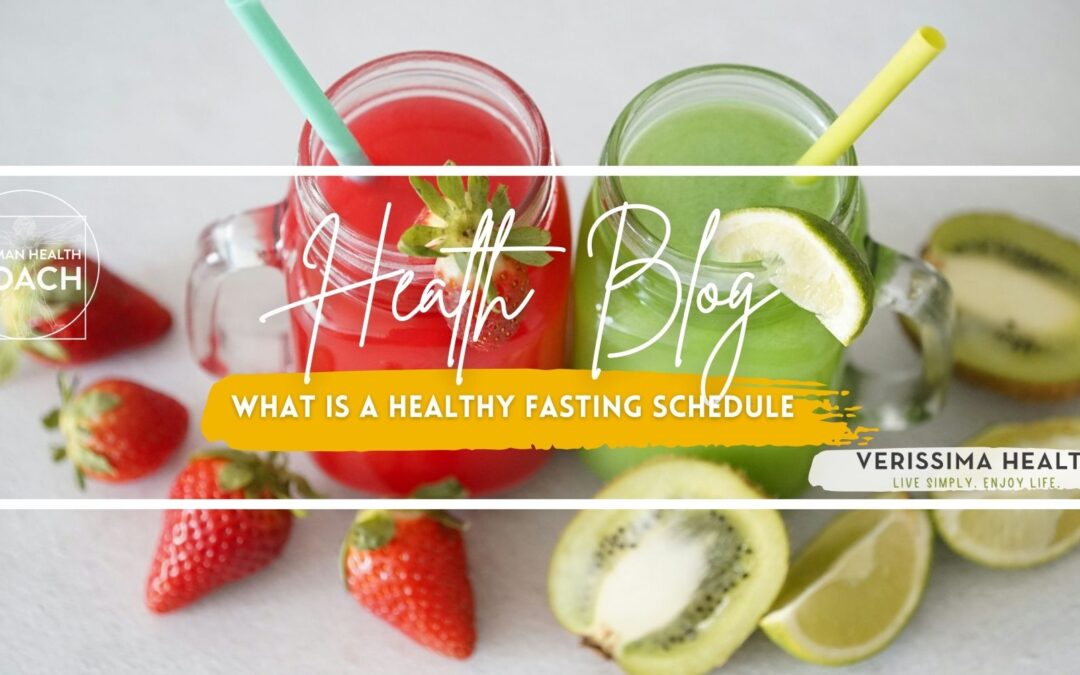
What Is A Healthy Fasting Schedule?
Fasting is an ancient tool that dates way back and there are different types of ‘fasts’. If you have never done a fast before then I would recommend you try a juice fast first, firstly because, in my experience, it will dip your toes into fasting, without having super high levels of detox happening really, really, quickly and potentially causing you to have a horrible experience.
Fasting is Nature’s pathway to physical, mental and spiritual renewal!
A juice fast will also fill you up with super high amounts of life filled nutrients that your body will love and any type of nutrient deficiency you might have will be covered during that juice fast. A juice fast will prepare you, for in the future, should you wish to do a water fast.
That said, it really depends on what you want to get out of it health wise.
Are you wanting to heal from something specific or just maintenance? And what suits your schedule? Are you working? If so, can you get time off? We do not recommend water fasting whilst working. Do you have a chronic condition or a potentially degenerative condition that needs immediate attention?
It is best to get your bloods looked at before you do extended water fasting (+3 days) but otherwise it really is up to you and how it’s making you feel.
So, when should one fast? And how often?
Well we are cleaning out our filters so to speak, and doing so on a regular basis, allows for our body to rid itself of any toxins… we then can avoid getting sick, rather than having to fix ourselves all the time when we break down.
During any week we can choose not eat anything for one whole day, 24hrs, and this will allow for the liver and kidneys to detoxify.
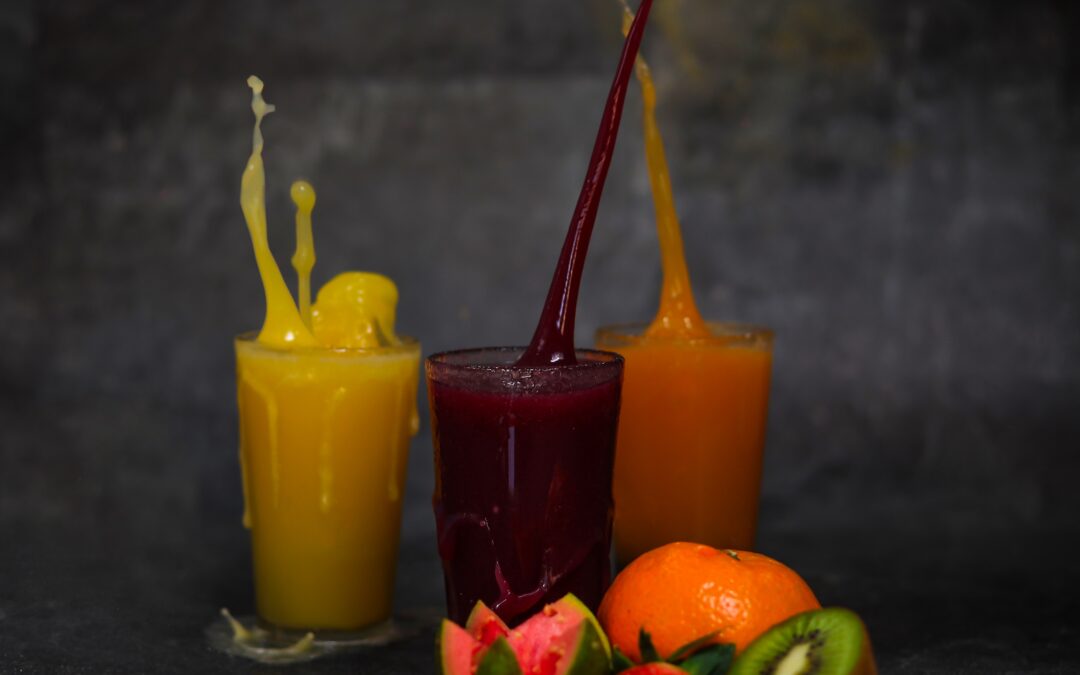
You have to really hydrate yourself within that 24-hour span with lots of clean water though with either lemon or lime squeezed in or good salts such as celtic sea salt added. You can also help further flush the toxins out by doing a salt flush, an enema, breathing exercises and natural skin cleansing. Or, you could drink heaps of fresh cold pressed juices for 2 days to get similar effects.
For an ultimate cleanse – four extended 10-day water fasts per year is what my teacher and mentor Tyler Tolman mentions. This is recommended to rebuild, reset hormones, and have clear consciousness, energy, and clarity. Following the seasons is a good way to remember and doing this under the guidance of a Tolman Health Coach is optimal.
Whatever you choose, fasting gives our body a break, cleans out the engine and then when fill it with the optimal fuel afterwards…. we are firing on all cylinders.
Fasting gives your digestive system the signal to reset and switch from digesting to detoxing. After years of eating three meals a day, we all store up toxins from processed, dead foods – and even from whole foods treated with pesticides and herbicides.
Every day of fasting allows the digestive system to push a little farther and cleanse a little more. And fasting with juices gives your body the energy it needs to sustain this process.
If you have ever been curious about juice fasting, would like to give it a try but perhaps it scares you, or maybe you wonder whether it is something you could even do, then I invite you to come along to our Weekend Getaway in Jurien Bay.
Nat Wright, accredited Tolman Health Coach will show you how to make juices, how much you need to have and guide you on how to break your fast properly. You will learn more about the benefits of fasting and how they will radically improve your wellbeing.
This is an introduction to juice fasting and we will be combining it with a fun, adventurous trip out to ancient structures, The Pinnacles for a fully guided tour and sunset picnic on sacred land (we will have our warm vegie broth) followed by an evening sound healing complete with gongs, crystal bowls, chimes and didgeridoo, with Colleen Pearce Healing. Being amongst nature whilst fasting and treating your body to a soulful sound healing will profoundly improve your health, and help improve your immune system before the change of season.
Beach walks, sunsets, swims, sound healing and upgrading our systems in a beautiful slow paced seaside town. Perfect.
Join us for 2 nights in Jurien bay!
Or you can choose to just attend the Pinnacle Tour and Sound Healing on its own with Colleen here.
What Is A Healthy Fasting Schedule?

Healthy Travel Tips To Enjoy Your Holidays and Avoid Sickness
Travelling is a heap of fun and something I do a lot, in Australia. I have never had the desire to broaden my wings and fly over the seas to another country, until now. To be honest it freaked me out, what did I need to do, could I get clean water, fresh food, how was...
9 Phenomenal Benefits Of A Juice Fast
There’s a whole plethora of information and disinformation out there about juice fasting. So how does one know whether it’s good for you or not? I always encourage people to do their own research, collate the information and make up their own minds. Go onto reputed...